
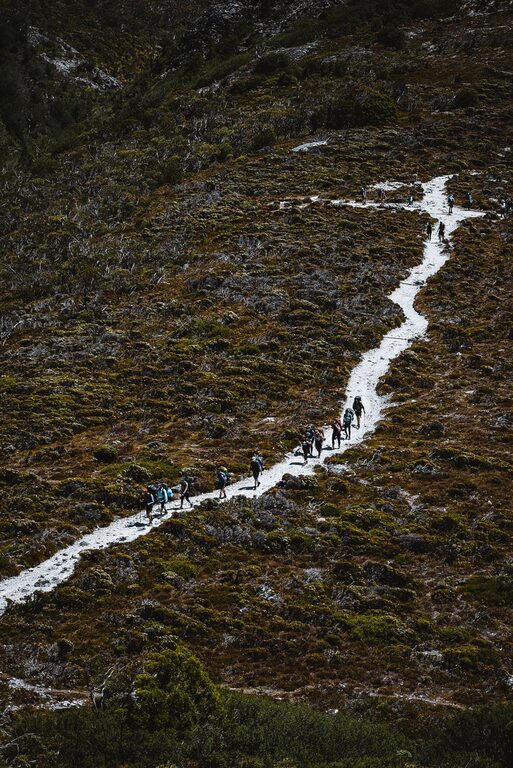
Walking is one of the simplest ways to explore the outdoors, stay active, and enjoy a change of scenery. A good route can take you through a quiet park, along a coastal path, across open countryside, or through a busy city with interesting landmarks.
Whether you are planning a short weekend stroll or a longer day hike, a little preparation can make the experience more comfortable and enjoyable. Choosing the right route, checking conditions, and carrying a few useful items can help you feel confident from start to finish.
Choose a Route That Matches Your Plans
The best walking route is one that suits your experience, available time, and energy level. A route that looks easy on a map may include steep hills, rough ground, narrow paths, or sections with limited shade.
Before setting out, consider the following:
– Distance and estimated walking time
– Amount of elevation gain or steep terrain
– Trail surface, such as pavement, gravel, mud, or rocks
– Availability of rest areas, restrooms, and water
– Weather and daylight hours
– Public transportation and parking options
– Mobile phone coverage along the route
If you are new to walking longer distances, begin with a short, well-marked path. Loop routes are especially convenient because they bring you back to your starting point without requiring you to repeat the same section.
For a relaxed outing, choose a route with points of interest, such as a viewpoint, garden, historic building, or lakeside area. These stops create natural opportunities to rest and make the walk feel less focused on distance.
Research the Route Before You Leave
Online maps, local park websites, visitor centers, and walking apps can provide useful information about trails and public paths. Read recent descriptions when possible, since conditions can change after storms, construction, seasonal flooding, or maintenance work.
Look for details about:
Trail Markings
Well-marked routes are easier to follow, particularly in wooded areas or places where several paths meet. Check what signs, colors, or symbols indicate the route you plan to take.
Terrain and Conditions
A dry, firm trail can become slippery after rain. Some paths may also be muddy, icy, dusty, or covered with fallen leaves. Wear shoes that provide good grip and support for the expected surface.
Route Alternatives
Identify a shorter option or an exit point before starting. This can be helpful if the weather changes, someone in your group becomes tired, or you have less time than expected.
Local Guidelines
Some parks limit access during certain hours or ask visitors to keep dogs on a leash. Follow posted instructions and respect temporary closures, private property, and protected areas.
Pack the Essentials
You do not need a large backpack for every walk, but carrying a few basics can make a major difference. Adjust your supplies to the route, weather, and time of day.
Useful items may include:
– Water and a light snack
– A fully charged phone
– A small first-aid kit
– Map or downloaded route information
– Weather-appropriate clothing
– Hat, sunglasses, and sunscreen
– Insect repellent when needed
– Hand sanitizer and tissues
– A small flashlight for late walks
– Emergency contact information
For longer routes, add extra food, water, a portable phone charger, and an additional layer of clothing. A lightweight rain jacket is useful even when the forecast looks mostly clear, especially in areas where conditions change quickly.
Choose a backpack that fits comfortably and keep heavier items close to your back. Avoid carrying more than you need, since an overloaded bag can make walking tiring.
Wear Comfortable Clothing and Footwear
Comfortable footwear is one of the most important parts of a successful walk. For paved paths, supportive walking shoes may be enough. Uneven trails often require shoes with stronger soles and better traction.
Break in new footwear before using it on a long route. New shoes can cause discomfort or blisters when worn for several hours. Moisture-wicking socks can also help keep feet dry and reduce friction.
Dress in layers so you can adjust to changing temperatures. Lightweight layers are usually more practical than one heavy garment. In warm weather, choose breathable clothing and protect exposed skin from the sun. In cooler conditions, bring an extra layer even if you feel comfortable at the start.
Check the Weather and Daylight
Weather can affect both comfort and safety. Check the forecast before leaving and pay attention to wind, rain, heat, cold, and storm warnings.
If severe weather is expected, consider postponing the walk or choosing a shorter route close to shelter. On hot days, start earlier, take regular breaks, and avoid the hottest part of the afternoon when possible. On cold days, plan for shorter daylight hours and watch for icy surfaces.
Always leave enough time to complete the route before dark. If you expect to return near sunset, carry a flashlight and make sure someone knows your plans.
Tell Someone About Your Plans
Let a friend or family member know where you are going, who is with you, and when you expect to return. For a longer or more remote walk, share the route and any planned stops.
If your plans change, send an update. Once you return, let the person know that you are safely back. This simple habit provides an added layer of reassurance, particularly when walking alone or exploring an unfamiliar area.
Stay Aware While Walking
Pay attention to your surroundings, trail markers, and changing conditions. Avoid becoming so focused on your phone, music, or photographs that you miss signs, uneven ground, cyclists, vehicles, or other trail users.
If you listen to music, keep the volume low or use only one earbud where appropriate. On shared paths, stay to the recommended side and give others enough space to pass safely.
Watch your footing near slopes, streams, roots, loose gravel, and wet surfaces. Slow down on difficult sections rather than trying to maintain the same pace throughout the walk.
Practice Good Trail Etiquette
Thoughtful behavior helps everyone enjoy outdoor spaces. Follow the principle of leaving places as you found them.
Good trail etiquette includes:
– Stay on marked paths when possible
– Take all trash with you
– Keep pets under control and follow local rules
– Allow faster walkers to pass safely
– Give cyclists and horses extra space
– Avoid disturbing wildlife
– Keep noise at a reasonable level
– Do not remove plants, rocks, or other natural features
If you stop for a break, move to the side of the path so others can pass. Take photographs without blocking walkways or entering restricted areas.
Know What to Do If Plans Change
If you become lost, stop and remain calm. Check your map, retrace your steps if the route is clear, and avoid taking unmarked shortcuts. Contact your walking group or a trusted person if you have phone service.
If someone in your group feels tired or uncomfortable, adjust the plan rather than pressing ahead. Rest, drink water, and consider returning by the safest available route. For remote walks, learn the local emergency number and note the location of nearby roads, buildings, or trail markers.
Make Each Walk More Enjoyable
Safety preparation does not need to make a walk feel complicated. Once you have chosen a suitable route and packed the basics, leave room to enjoy the experience.
Walk at a comfortable pace, take regular breaks, and notice the changing scenery. Look for birds, trees, architecture, or seasonal details along the way. You can also bring a small notebook, camera, or guidebook to make the outing more engaging.
The most enjoyable walking adventures are usually the ones that match your ability, schedule, and surroundings. With thoughtful planning and awareness, you can explore new routes comfortably while making the most of time outdoors.