
Busy schedules can make mealtimes feel like one more task on a long list. When work, errands, family commitments, and personal time compete for attention, it is easy to rely on last-minute takeout or skip meals altogether.
Meal planning does not have to mean preparing every meal days in advance. A simple plan can help you make fewer decisions, use the food you buy, and create more balanced meals with less effort. The goal is not perfection. It is to build a routine that works with your real schedule.
Start With a Flexible Weekly Plan
A useful meal plan should guide you without making you feel restricted. Instead of choosing every breakfast, lunch, dinner, and snack in detail, begin with a short list of meals you are likely to make.
Choose three or four dinners for the week, then plan to use leftovers or simple options on the remaining days. This leaves room for unexpected plans and reduces pressure.
A flexible plan might include:
– Two quick meals that take less than 30 minutes
– One meal that creates leftovers
– One sheet-pan or slow-cooker meal
– One easy option for a particularly busy day
– A few simple breakfast and lunch ideas
You can also assign meals to specific days based on your schedule. For example, plan a quick dinner on a night filled with activities and save a more involved recipe for a day when you have extra time.
Use a Repeatable Planning Day
Choose one day each week to review your calendar, plan meals, and create a grocery list. This habit may take only 15 to 20 minutes once it becomes familiar.
During this weekly check-in, ask:
– Which nights will be especially busy?
– What food is already available at home?
– Are there leftovers that need to be used?
– Do any meals need to be portable?
– Which ingredients can be used in more than one dish?
Keeping the process on the same day makes meal planning easier to remember and less likely to become an afterthought.
Build Meals Around Simple Components
You do not need a new recipe for every meal. Instead, think of meals as a combination of basic components that can be mixed and matched.
A simple plate often includes:
– A source of protein, such as eggs, beans, lentils, fish, chicken, tofu, yogurt, or cheese
– Vegetables or fruit
– A grain or other filling carbohydrate, such as rice, oats, potatoes, pasta, or whole-grain bread
– A flavorful addition, such as herbs, spices, salsa, dressing, or a simple sauce
This approach allows you to prepare a few ingredients and use them in different ways. For example, roasted vegetables can be served with rice, added to a wrap, or mixed into a grain bowl. Cooked chicken, beans, or tofu can work in salads, tacos, sandwiches, and soups.
Component-based meals also make it easier to accommodate different preferences in the same household. Each person can combine the available ingredients in a way they enjoy.
Keep a List of Reliable Meals
Create a personal collection of meals that are easy, familiar, and well suited to your schedule. These do not need to be impressive recipes. The best choices are often the ones you can prepare without much thought.
Organize your list into categories such as:
– Fifteen-minute meals
– One-pot dinners
– Freezer-friendly meals
– Lunches for work or school
– Easy breakfasts
– Meals that use pantry staples
Examples might include scrambled eggs with toast and fruit, bean and vegetable quesadillas, pasta with vegetables, rice bowls, soup with bread, or yogurt with oats and fruit.
Having a list of dependable meals reduces decision fatigue. When you are tired, you can select an option from your list instead of searching for ideas or ordering food at the last minute.
Shop With a Focused Grocery List
A grocery list is most useful when it reflects your actual plan. Before shopping, check your refrigerator, freezer, and pantry. This helps prevent duplicate purchases and makes it easier to use food before it goes to waste.
Group your list by store section, such as:
– Produce
– Protein foods
– Grains and bread
– Dairy or alternatives
– Pantry items
– Frozen foods
Choose ingredients that can serve several purposes. A bag of spinach, for example, can be used in eggs, sandwiches, pasta, smoothies, or salads. Frozen vegetables, canned beans, whole grains, and eggs are also practical staples for quick meals.
Avoid buying a large amount of fresh food unless you know when you will use it. A smaller, realistic list is often better than an ambitious one that becomes difficult to manage.
Prepare Ingredients, Not Every Meal
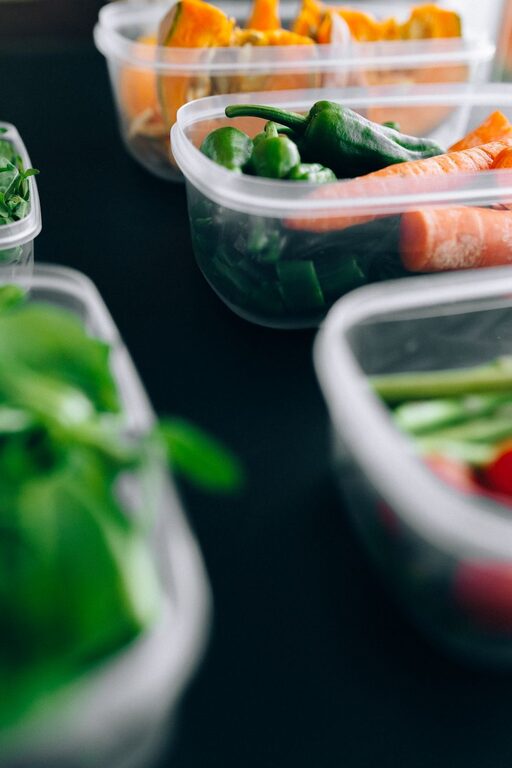
Meal preparation can be as simple as washing produce, cooking a grain, or portioning ingredients. You do not need to spend an entire afternoon making complete meals.
Try preparing one or two ingredients at a time:
– Cook a batch of rice, quinoa, pasta, or potatoes
– Wash and cut vegetables
– Prepare a container of hard-boiled eggs
– Portion nuts, crackers, or fruit for easy snacks
– Make a basic dressing or sauce
– Cook a larger amount of chicken, beans, or another protein
Store prepared foods in clear, labeled containers so they are easy to find. Keep ingredients separate when possible, especially if you plan to use them in different meals.
A short preparation session can make busy evenings much smoother without turning the weekend into a cooking project.
Create a Backup Meal List
Even the best plan can change. A meeting may run late, an appointment may take longer than expected, or you may simply lack the energy to cook.
Keep a few backup meals on hand for these situations. Good options are quick to prepare, require few ingredients, and can be adapted to what you have available.
Consider keeping:
– Frozen vegetables
– Canned beans or tuna
– Eggs
– Whole-grain pasta or rice
– Soup
– Tortillas
– Frozen fruit
– Bread for sandwiches or toast
A backup meal could be a vegetable omelet, bean-and-cheese tacos, pasta with frozen vegetables, or a soup-and-sandwich combination. These choices can help you stay on track without requiring a detailed recipe.
Make Breakfast and Lunch Easier
Breakfast and lunch often become rushed because they happen during the busiest parts of the day. Simplifying these meals can make a noticeable difference.
For breakfast, rotate a few options such as overnight oats, yogurt with fruit, toast with eggs, or a smoothie. For lunch, prepare ingredients that can be packed quickly, including grain bowls, leftovers, wraps, salads, or snack-style plates.
Pack lunch the night before when possible. Even placing a container, water bottle, and utensils together can save time in the morning.
If you work away from home, keep a few shelf-stable items at your desk or in a bag, such as whole-grain crackers, dried fruit, or nuts. These can be useful when plans change.
Review and Adjust Your Routine
Meal planning becomes more effective when you treat it as a process rather than a fixed rule. At the end of each week, take a few minutes to notice what worked and what did not.
Ask yourself:
– Which meals were easy to prepare?
– Did you buy more than you used?
– Which ingredients were especially useful?
– Were there nights when the plan felt unrealistic?
– What could be made simpler next week?
Use the answers to adjust your routine. You may discover that three planned dinners are enough, that you need more freezer meals, or that shopping twice a week works better than one large trip.
The best meal plan is one that supports your life instead of adding stress. Start with a few repeatable habits, keep your choices flexible, and focus on making everyday meals easier. Over time, small changes can create a practical routine that saves time and helps you feel more prepared.