
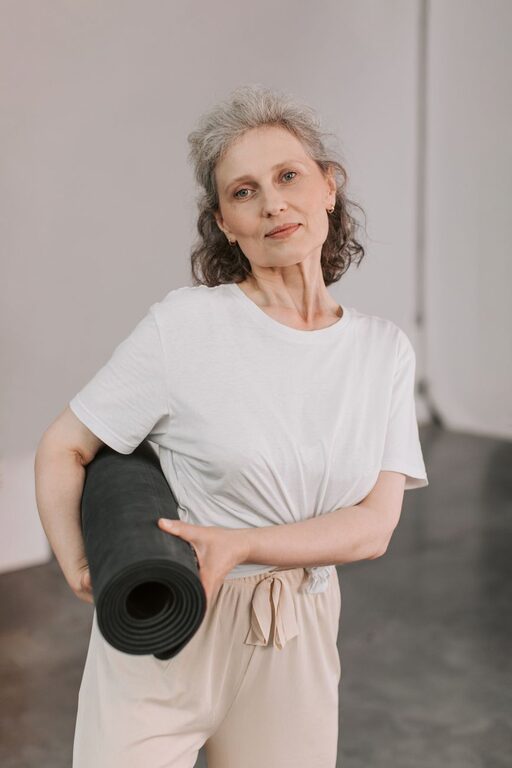
Getting stronger after 50 does not require intense workouts or complicated equipment. Gentle strength exercises can help you feel more capable during everyday activities, from carrying groceries to standing up from a chair.
The goal is not to lift the heaviest weight or complete the fastest workout. Instead, focus on steady progress, good form, and movements that leave you feeling encouraged. With regular practice, strength training can become a positive routine that supports confidence as well as fitness.
Why Gentle Strength Training Matters
Strength naturally changes over time, but regular activity can help you maintain and improve your ability to move comfortably. Simple exercises can support common daily tasks, such as:
– Climbing stairs
– Lifting and carrying light objects
– Reaching for items on a shelf
– Getting in and out of a chair
– Walking with better posture
– Maintaining steady movement around the home
Strength exercises can also provide a sense of achievement. Completing a few repetitions today may make it easier to complete more next month. Those small improvements can build confidence and make movement feel less intimidating.
Start With a Comfortable Routine
Before beginning, choose a safe, open space with enough room to move. Wear comfortable clothing and supportive shoes. You may use a sturdy chair, a wall, or a countertop for support.
Begin with five to ten minutes of easy movement, such as walking around the room or gently moving your arms. Warm muscles are generally more comfortable to use than muscles that have been still.
Keep these principles in mind:
– Move slowly and with control.
– Breathe steadily instead of holding your breath.
– Stop if you feel sharp pain, dizziness, or unusual discomfort.
– Begin with fewer repetitions and add more gradually.
– Rest whenever you need to.
If you have an ongoing health concern, recent injury, or questions about which exercises are suitable for you, speak with a qualified health professional before starting a new routine.
1. Sit-to-Stand From a Chair
The sit-to-stand exercise works the legs and hips while practicing a movement used throughout the day.
How to do it
- Choose a sturdy chair that does not slide.
- Sit near the front of the seat with your feet about hip-width apart.
- Lean forward slightly while keeping your back comfortable and upright.
- Press through your feet to stand.
- Pause briefly, then slowly lower yourself back to the chair.
Try five to eight repetitions. Use your hands on the chair or your thighs for light assistance if needed. As you become more comfortable, aim to use less support.
This exercise is especially useful for building confidence because it turns an everyday movement into a skill you can practice.
2. Wall Push-Ups
Wall push-ups strengthen the chest, shoulders, and arms without requiring you to get down on the floor.
How to do it
- Stand facing a wall, about an arm’s length away.
- Place your hands on the wall at shoulder height.
- Keep your body in a straight, comfortable line.
- Bend your elbows to bring your chest slightly closer to the wall.
- Press gently through your hands to return to the starting position.
Begin with five to ten repetitions. Keep your movements smooth, and avoid locking your elbows at the top.
To make the exercise a little more challenging, step your feet farther from the wall. To make it easier, stand closer.
3. Supported Heel Raises
Heel raises help strengthen the lower legs and encourage steady movement through the feet and ankles.
How to do it
- Stand behind a sturdy chair or near a countertop.
- Place your fingertips on the surface for balance.
- Slowly lift your heels so you rise onto the balls of your feet.
- Pause for a moment.
- Lower your heels with control.
Repeat eight to twelve times. Keep your weight balanced between both feet. Focus on lifting and lowering smoothly rather than moving quickly.
You can practice this exercise while waiting for water to boil or during another short break in your day.
4. Standing Leg Extensions
Standing leg extensions work the muscles at the back of the legs and hips while helping you practice controlled movement.
How to do it
- Hold the back of a sturdy chair.
- Stand tall with your feet comfortably apart.
- Slowly move one leg straight behind you without leaning forward.
- Squeeze the muscles around the back of the hip gently.
- Bring the leg back to the starting position.
- Repeat on the other side.
Complete six to ten repetitions per leg. The movement should be small and controlled. You do not need to lift your leg high to benefit from the exercise.
5. Seated Marches
Seated marches are a gentle way to work the hips and legs. They are also a useful choice when standing exercises are tiring.
How to do it
- Sit tall in a stable chair with both feet on the floor.
- Lift one knee a few inches.
- Lower it gently.
- Lift the opposite knee.
- Continue alternating sides.
Try marching for 20 to 30 seconds, then rest. Repeat once or twice. Keep your shoulders relaxed and your movements comfortable.
For an added challenge, sit without leaning against the back of the chair, as long as you can do so comfortably.
6. Standing Row With a Resistance Band
A light resistance band can help strengthen the upper back and arms. This exercise may also encourage better awareness of posture.
How to do it
- Secure the band at about chest height, following the product instructions.
- Stand or sit with your back straight and shoulders relaxed.
- Hold one end of the band in each hand.
- Pull your hands gently toward your ribs.
- Squeeze your shoulder blades lightly together.
- Slowly return your hands to the starting position.
Try six to ten repetitions. Keep your elbows close to your body and avoid pulling sharply.
If you do not have a resistance band, practice the same movement without equipment. Concentrate on drawing your elbows back while keeping your shoulders relaxed.
Build Confidence Through Small Wins
Confidence grows when you notice what you can do, not only when you reach a large goal. Keep a simple record of your routine, such as the exercises you completed and how you felt afterward.
You might set goals like:
– Practicing twice each week
– Completing one more repetition
– Standing from a chair with less assistance
– Carrying a light household item more comfortably
– Trying a beginner-friendly group class
– Moving with better control
Celebrate consistency. A short session completed regularly is often more helpful than a demanding workout followed by a long break.
Make Exercise Part of Your Week
Choose two or three days each week for strength exercises, leaving time between sessions for rest. You can also add easy walking, gentle stretching, or enjoyable activities such as gardening and dancing.
Invite a friend or family member to join you, or look for a community class designed for adults over 50. Exercising with others can make the routine more social and provide extra encouragement.
Most importantly, let your routine grow at a comfortable pace. Gentle strength training is not about proving what you could do years ago. It is about supporting what you want to do today and helping you feel more confident in the years ahead.